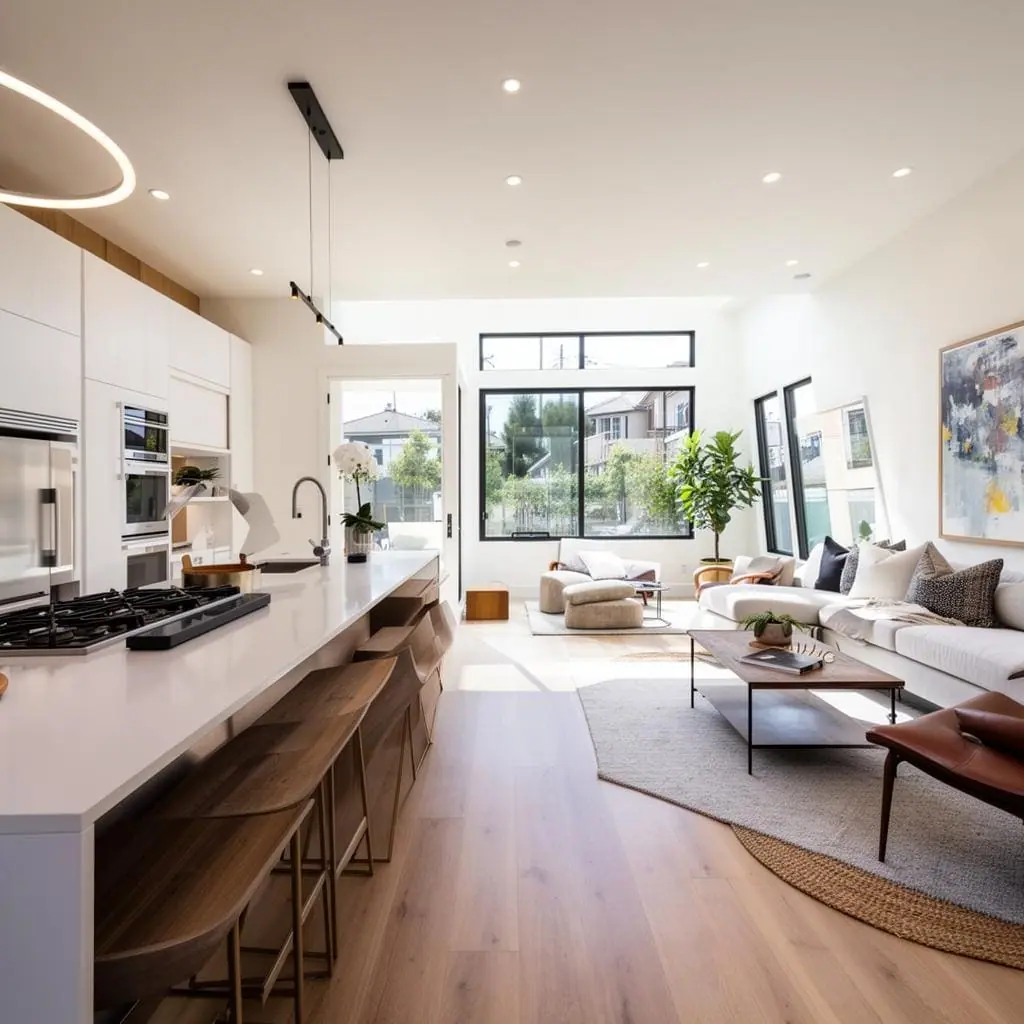
A full home remodel is one of the most transformative upgrades a homeowner can make, but it also requires a very different mindset than a smaller renovation. This is not just about choosing finishes or opening a wall. A whole-home remodel involves planning, sequencing, site management, trade coordination, inspections, and dozens of decisions that affect the final quality of the project. Homeowners who understand the process early tend to have a smoother experience and make better decisions at every stage.
Every full remodel starts with scope clarity
Before construction begins, the project needs a clearly defined scope. Are you reworking the floor plan, updating structural components, replacing windows and doors, upgrading systems, redoing kitchens and bathrooms, or changing the way the home functions altogether? Scope clarity is what separates a controlled remodel from a project that constantly shifts midstream.
This is also where priorities should be ranked. Not every idea needs to happen in the same phase, but the homeowner should know which items are essential, which are optional, and which decisions affect structural work, permitting, or long-lead materials.
Expect planning to take more time than you think
Many homeowners underestimate how important the planning stage is. Design decisions, plan development, engineering coordination, material selections, and permit preparation all influence the eventual build quality. Rushing through this stage usually creates expensive friction later in the project.
A strong pre-construction phase makes the remodel more predictable. It creates a cleaner construction schedule, reduces avoidable rework, and helps the owner understand what the house will go through during demolition, rough work, and finishing.
Demolition is only the beginning
Demolition often feels like visible progress, but it is really the opening move. Once finishes and selective framing are opened up, the true condition of the house becomes easier to evaluate. Older homes may reveal hidden repairs, framing inconsistencies, outdated systems, or prior work that does not align with current plans.
That is why experienced project management matters in a full remodel. A contractor should not just remove material quickly. The team should also protect salvageable elements, keep the site organized, and respond intelligently when the house reveals something unexpected.
Structural work changes the shape of the project
If the remodel includes wall removals, new openings, beam work, posts, foundation upgrades, or other structural improvements, this phase becomes a major turning point. Structural work affects not just layout but also how trades move afterward. Framing, mechanical routing, and finish dimensions all depend on getting this stage right.
For the homeowner, this is often the phase where the remodel stops looking like demolition and starts looking like a future home.
Rough systems must be coordinated carefully
After structural work and framing are established, the project moves into the rough stage. Plumbing, electrical, HVAC, and other concealed systems must be installed in a coordinated way before insulation and drywall close everything up. This is one of the most technical parts of a full remodel because so many systems share the same walls, ceilings, and floor cavities.
Clean coordination here protects both performance and aesthetics. It helps prevent last-minute conflicts, awkward soffits, compromised layouts, and finish-stage surprises.
Inspections and approvals drive the sequence
In a major remodel, inspections are not side notes. They are built into the schedule and affect what can happen next. Rough inspections, corrective items, and sign-offs need to be handled in the right order so the project can move into insulation, drywall, and finish work without unnecessary stoppages.
Homeowners should expect periods where visible progress slows because the work is passing through technical or approval stages. That does not necessarily mean the project is off track.
Drywall and finishes change momentum
Once the walls are closed and finish materials begin going in, the home starts to feel real again. Cabinetry, tile, flooring, paint, trim, doors, hardware, lighting, and plumbing fixtures all begin to define the final character of the remodel. This is also where planning decisions made months earlier become visible.
This stage requires discipline because finish work can be affected by delays in material delivery, sequencing issues, or small dimensional errors from earlier phases. Good builders stay organized here and protect completed work as the house comes back together.
Communication matters more in whole-home projects
A full remodel affects daily life in a major way. Even when the owner is not living in the house during construction, decisions still come quickly and coordination still matters. Homeowners should expect ongoing communication about schedule progress, selections, field conditions, and any scope items that need formal review before proceeding.
The goal is not constant noise. It is clear communication at the moments that matter most.
Final punch and project closeout should be deliberate
The end of a full remodel is not just the last day of labor. It is the point where the work is reviewed carefully, small corrections are handled, fixtures and systems are tested, and the owner walks the house with a clear understanding of what has been completed. A proper closeout gives the project a professional finish rather than a rushed ending.
When a remodel is managed well, the finished home should feel cohesive, not pieced together.
What homeowners should keep in mind throughout the process
A whole-home remodel is a sequence of decisions, inspections, craftsmanship, and coordination — not a single construction event. The smoother the planning, the better the build. The stronger the communication, the fewer the surprises. And the more disciplined the execution, the more premium the final result feels.
For homeowners in Los Angeles, choosing a contractor who understands both process and finish quality is one of the most important decisions in the entire project.
If you are planning a full home remodel, the best results come from treating the project as a structured process from planning through final punch — not just a collection of rooms to update. The right preparation, sequencing, and communication make a major difference in both the experience and the finished product.