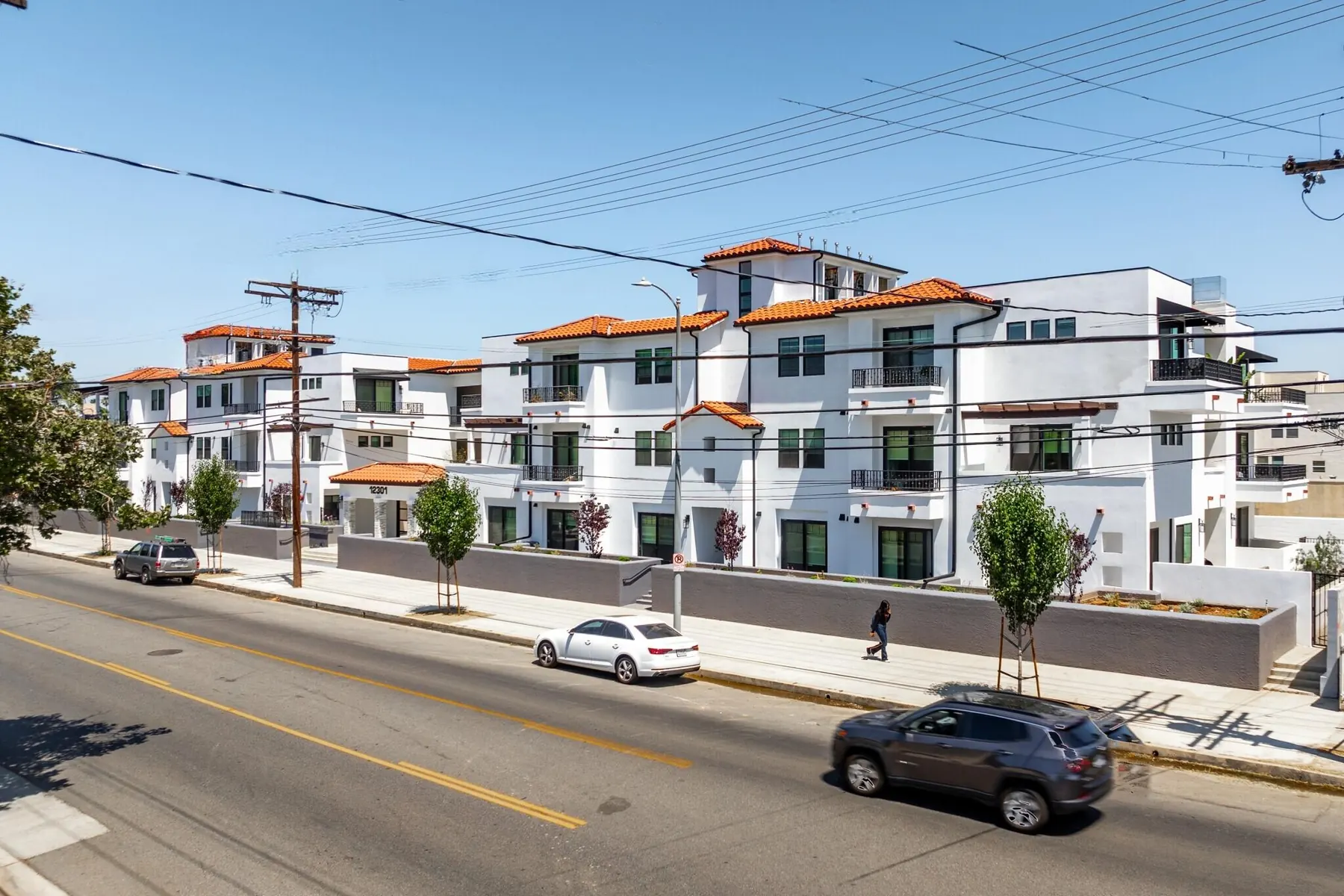
Why we don't quote a per-square-foot number
A per-square-foot figure hides the items that move an Altadena budget the most: foundation work, utility upgrades, fire code requirements and site conditions that differ from one lot to the next. Two neighbors with matching floor plans can face very different septic, water service or grading scopes. We would rather show you each of those items separately than give a number that falls apart once the plans are reviewed.
What remains on the lot
The old foundation is often the first big decision. LA County allows a slab or foundation to be reused only if a licensed civil or structural engineer or architect evaluates it on the county's reuse form, based on testing, and it still has to meet current code, including slope setbacks. Under-slab electrical conductors must be replaced even when the conduits stay. Reuse can reduce concrete work, but the evaluation and any repairs carry their own cost, and not every slab passes.
If the foundation comes out, the county asks for a compaction report when soil was disturbed deeper than 12 inches. A soils report is required for caissons, deep piles, basement walls and lots with geotechnical hazards, and whether you need a grading permit depends on how much soil was removed and the site's condition. Most rebuilds also need a corner record survey, which is the owner's cost. Retaining walls and fences can be permitted along with the house.
Code requirements built into every new house
Rebuilds are new construction, so they follow current building and fire codes. The county requires fire sprinklers in all new housing units. If the sprinkler system connects to the domestic water meter, Public Health requires a backflow device at the riser. On a lot in a fire hazard severity zone, the county also requires fire-resistant construction and a fuel modification plan, and exposed lumber on decks, patios and trellises has minimum size limits. CAL FIRE's Office of the State Fire Marshal issued updated fire hazard severity zone maps for Los Angeles County in March 2025, so we check the current map for your address.
Some requirements have been relaxed. Rooftop solar panels and batteries are not required, although the house must be solar-ready, and homes must be electric-ready while gas appliances are still allowed. For like-for-like single-family rebuilds in the Eaton Fire area, the county suspended EV-ready infrastructure, the cool roof requirement and graywater-ready plumbing, and homes built before 2009 are exempt from low impact development rules. Those exemptions change the scope, so they belong in the estimate from the start.
Water, sewer or septic, and power
Every rebuild needs a will-serve letter from the water agency, and the county notes that a rebuild can change the required meter size, fire hydrant flow and water demand. Connection fees and requirements vary by agency, some agencies may require a separate service line and meter for an ADU, and the owner pays the construction costs. Altadena is served by several different water agencies, so these costs depend on where your lot sits.
Sewer and septic can be a larger variable. A working septic system can usually stay for a like-for-like rebuild with the same bedroom count, but adding bedrooms, a pool or an ADU requires an upgrade, and lots within 200 feet of a sewer main may then have to connect. The owner pays for laterals to sewer, gas, water and power in the public right of way. Where utilities are being moved underground, owners may also be asked to sign easements for equipment on private property.
Permit and agency fees
Owners who owned and lived on the property before January 7, 2025 can request a county fee deferral, and the county says those deferred fees will not be collected. For owners who do not qualify, the county's 2025 rebuild FAQ estimated Building and Safety plan check and permit fees at about $12,000 for a 1,500 square foot home and about $22,000 for a 3,000 square foot home, plus Regional Planning, Fire Department and Public Health fees. Check the county's current fee schedule before budgeting.
Some charges sit outside the deferral for everyone: utility connection fees, the corner record survey, addressing and the construction recycling deposit. School fees apply only if the new home adds 500 square feet or more of habitable space over the permitted square footage. Library fees do not apply to rebuilding one single-family home, and Sanitation District fees apply only if a home that was on septic or a cesspool connects to sewer.
The choices you control
Within the rules, design decisions drive most of the remaining cost: whether you rebuild like-for-like or go larger, how complex the roof and structure are, window area and exterior materials, and the level of finish in kitchens and baths. Adding an ADU brings its own utilities and sprinklers. Pre-approved standard plans can shorten design, but you still contract with the plan's designer and pay for the site plan and site-specific engineering.
How we price an Altadena rebuild
We begin with a site visit and the county records for your parcel, then price the plans by trade: demolition or foundation work, framing, roofing, sprinklers, mechanical, electrical, plumbing, utilities and finishes. Allowances for items you have not yet selected are labeled clearly, so you can see what is fixed and what depends on later choices. When county plan check comments change the scope, we update the estimate in writing before work proceeds.
We provide written estimates you can share with your insurer, but we do not advise on coverage or claims; those questions belong with your insurance company or an attorney. Our goal is a price you can understand and plan around, built from your lot and your drawings.